
The King is Watching is a unique strategy and simulation experience that challenges players to rule not through action, but through awareness, control, and subtle manipulation. As a rising hot game, it stands out by placing the player in the role of an all-seeing monarch whose gaze alone influences the behavior of an entire kingdom. Power is not expressed through armies alone, but through attention, fear, and trust.
This in-depth guide explains how to play The King is Watching, manage resources, control citizens, and maintain authority over time. For players who enjoy psychological strategy and slow-burn decision-making, this hot game delivers a fresh and intellectually engaging experience.
1. The Core Concept Behind The King is Watching
At its heart, The King is Watching revolves around observation as a mechanic. The king’s gaze directly affects how citizens behave, work, and conspire. When watched, people comply; when ignored, they may act unpredictably.
This simple idea transforms into a complex system, helping the game earn recognition as a hot game among strategy fans who want something different from traditional empire builders.
Design Philosophy
The game emphasizes indirect control over direct command.
Key Ideas
- Power through surveillance
- Consequences of neglect
- Psychological control
- Minimalist but deep systems
2. Why The King is Watching Is a Hot Game
The appeal of The King is Watching lies in its originality. Few games turn attention itself into a resource. Players are constantly forced to decide how to allocate focus across competing demands.
This tension keeps gameplay engaging and unpredictable, driving its reputation as a hot game.
Reasons for Popularity
- Unique observation-based mechanics
- Moral and psychological depth
- High replayability
- Strong indie-game identity
Player Experience
Every decision feels personal and consequential.
3. How to Get Started in The King is Watching
New players often ask how to begin without losing control too early. The game starts with a small kingdom and limited responsibilities, easing players into its systems.
Early gameplay teaches the importance of balance between watching and trusting.
Early Priorities
- Learn gaze mechanics
- Identify critical zones
- Observe citizen reactions
Beginner Tips
- Do not watch everything at once
- Learn patterns of behavior
- Expect mistakes early

4. The Gaze System and Attention Management
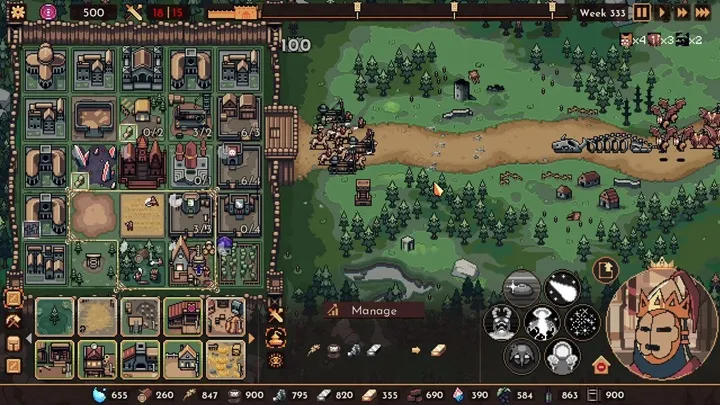
The gaze system is the core mechanic of The King is Watching. Wherever the king looks, order is maintained. Wherever he does not, chaos may grow.
Learning how to prioritize attention is the most important skill in the game.
Attention as a Resource
- Limited viewing range
- Time-based focus
- Opportunity cost
Strategic Viewing
Choosing what not to watch is as important as choosing what to monitor.
5. Citizens, Behavior, and Social Dynamics
Citizens in The King is Watching react dynamically to observation. Some become obedient, others resentful, and some attempt deception.
Understanding how to read these behaviors helps prevent unrest.
Citizen Types
- Loyal workers
- Opportunists
- Rebels
- Informants
Behavior Patterns
Repeated observation can change long-term loyalty.
6. How to Maintain Order Without Total Control
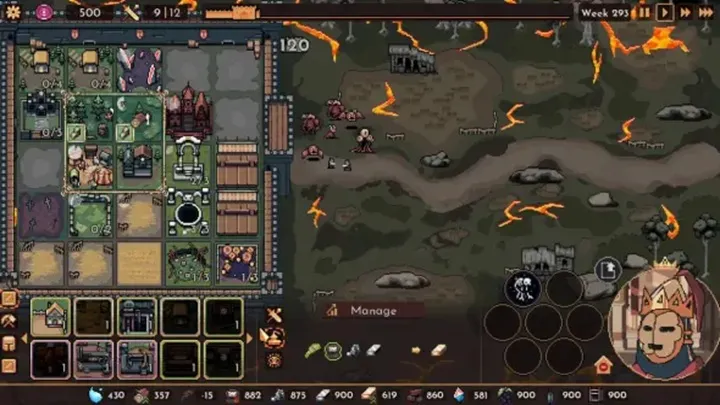
Absolute surveillance is impossible. The challenge of The King is Watching is maintaining stability without constant oversight.
Players must learn how to build systems that function even when the king looks away.
Order Management Strategies
- Rotate attention regularly
- Reward loyalty
- Punish selectively
Trust vs Fear
Too much fear creates rebellion; too much trust invites betrayal.
7. Resources, Economy, and Long-Term Stability
Beyond people, The King is Watching includes resource management. Food, gold, and infrastructure require indirect supervision.
Neglecting economic systems while focusing on citizens often leads to collapse.
Economic Focus Areas
- Production efficiency
- Resource distribution
- Infrastructure upkeep
Balanced Growth
A stable economy reduces the need for constant surveillance.
8. Strategy, Planning, and Player Psychology
Success in The King is Watching depends on anticipation. Players must predict problems before they appear.
Learning how to think several steps ahead is essential.
Strategic Thinking Tips
- Observe trends, not moments
- Anticipate unrest
- Plan gaze rotations
Mental Pressure
The game deliberately creates stress through limited control.
9. Replayability and Emergent Storytelling
Every playthrough of The King is Watching tells a different story. Random events and player choices create emergent narratives.
This replayability reinforces its status as a hot game.
Replay Factors
- Multiple leadership styles
- Different citizen outcomes
- Varied kingdom development
Player-Driven Stories
Failure often teaches more than success.
10. The Future of The King is Watching
The future of The King is Watching looks promising, with potential expansions and deeper systems planned.
Continued refinement could strengthen its place as a standout hot game in the strategy genre.
Potential Additions
- New citizen traits
- Expanded political systems
- More complex moral choices
Developer Vision
To explore power, control, and responsibility through gameplay.
Conclusion
The King is Watching is a rare hot game that turns observation into power and neglect into danger. By learning how to manage attention, predict human behavior, and balance fear with trust, players experience a deeply strategic and thought-provoking simulation.
For fans of psychological strategy and unconventional mechanics, The King is Watching offers a tense and unforgettable journey into the nature of authority.