



Introduction
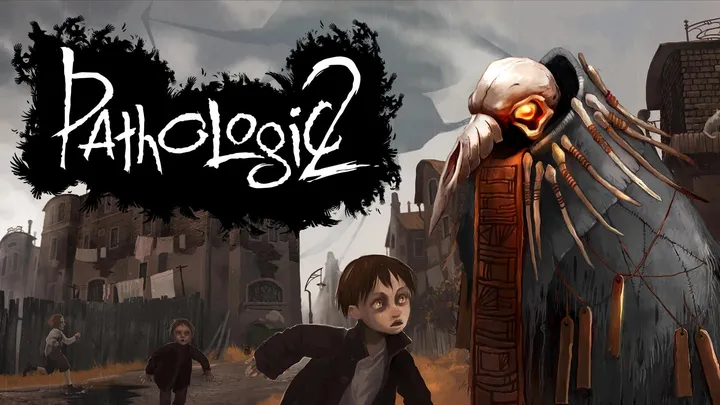
Pathologic 2 is often described as a survival horror RPG, but that label fails to capture its true ambition. Developed by Ice-Pick Lodge, the game attempts something far more radical: it weaponizes time itself as a narrative antagonist. You are not merely fighting plague victims, hunger, or exhaustion — you are fighting inevitability.
Yet within this bold design lies a deeply divisive issue: the erosion of player agency caused by relentless time pressure and systemic scarcity. While the game’s defenders argue that this loss of control is intentional and thematic, critics suggest that it transforms meaningful choice into performative suffering. This article explores how Pathologic 2’s time mechanics gradually shift from immersive storytelling tool to oppressive constraint, and whether that shift enhances or undermines the experience.
Day One: The Illusion of Freedom
A Town That Appears Open
At the beginning, the town feels explorable. NPCs talk cryptically. Quests emerge organically. The map is wide, and objectives seem flexible.
You believe you can manage.
The first day suggests that, with careful planning, you might save everyone. There is enough food. There is enough medicine. There is enough time.
That belief is the foundation of the illusion.
Early Systems Feel Negotiable
Hunger drains slowly. Exhaustion is manageable. Infection is rare. You experiment with trading mechanics and hospital duties.
The game subtly communicates that efficiency will be rewarded.
It is lying — but not maliciously. It is setting the trap.
Day Two to Four: Pressure Reveals Itself
Time as a Visible Enemy
Time advances whether you act or not. Quests expire. Characters die off-screen.
The day-night cycle becomes oppressive rather than atmospheric.
Unlike many RPGs where quests wait indefinitely, Pathologic 2 enforces expiration with brutal indifference.
Scarcity Intensifies
Food prices skyrocket. Children trade rare supplies for absurd items. Medicine becomes unreliable.
The player begins to realize that saving everyone may not be possible.
Agency begins shrinking.
The Mechanics of Collapse
Hunger as a Constant Tax
Hunger is not just a survival meter; it is an economic pressure system.
You must:
- Spend time earning money
- Spend money buying food
- Spend time acquiring trade goods
- Sacrifice quest progression to survive
Every solution costs hours — and hours are fatal.
Exhaustion Forces Compromise
Sleeping advances time dramatically.
Not sleeping leads to collapse in combat or movement.
There is no optimal answer. Every decision worsens another problem.
Quest Design and Inevitable Failure
Timed Narrative Branches
Major NPCs can die if neglected for even a few in-game hours.
Unlike traditional RPG morality systems, there is no clear “good route.”
The game forces triage.
The Psychology of Triage
You must decide:
- Who is worth medicine?
- Which district receives attention?
- Whether story knowledge outweighs survival supplies?
These decisions feel meaningful — until you realize they are mathematically unwinnable.
Infection as Probabilistic Cruelty
Randomness Without Comfort
Walking through infected districts carries risk. Even careful players can become infected.
Infection drains health constantly unless treated.
Treatment resources are scarce.
The system reinforces helplessness.
Immunity is Temporary
Even immunity boosters offer limited safety.
The message is clear: control is temporary.
Combat as Discouragement
Violence is Inefficient
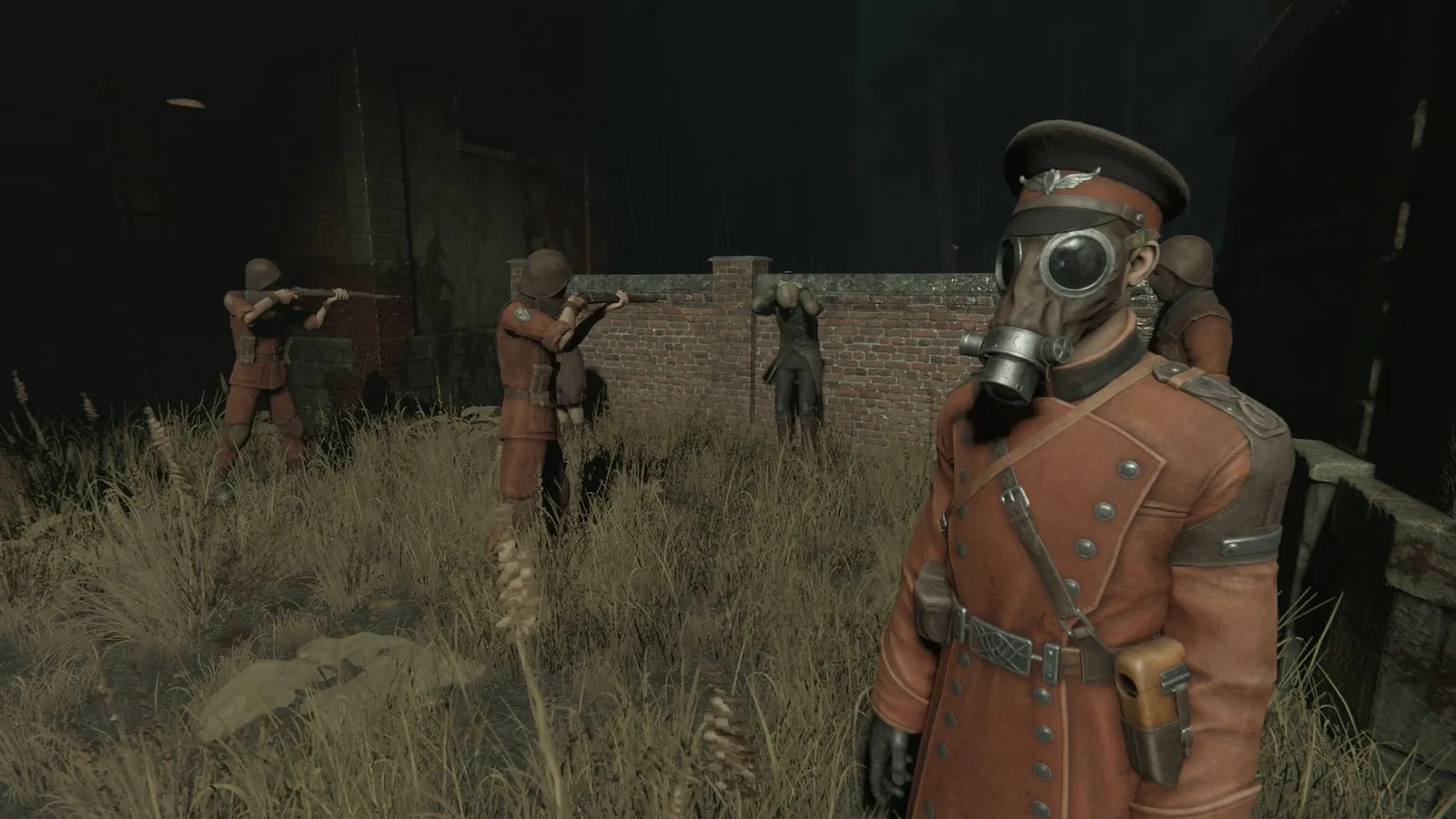
Combat is clunky by design. Weapons degrade quickly. Enemies hit hard.
Killing looters often costs more resources than you gain.
The system discourages heroism.
Running is Often Optimal
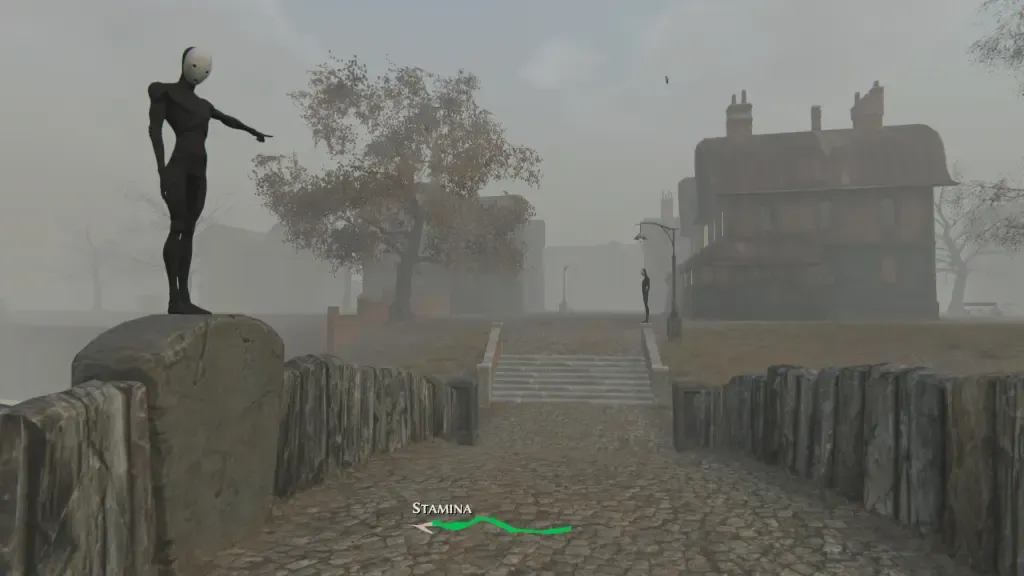
Fleeing is safer, but fleeing costs stamina and time.
Even avoidance has a price.
The Narrative Justification
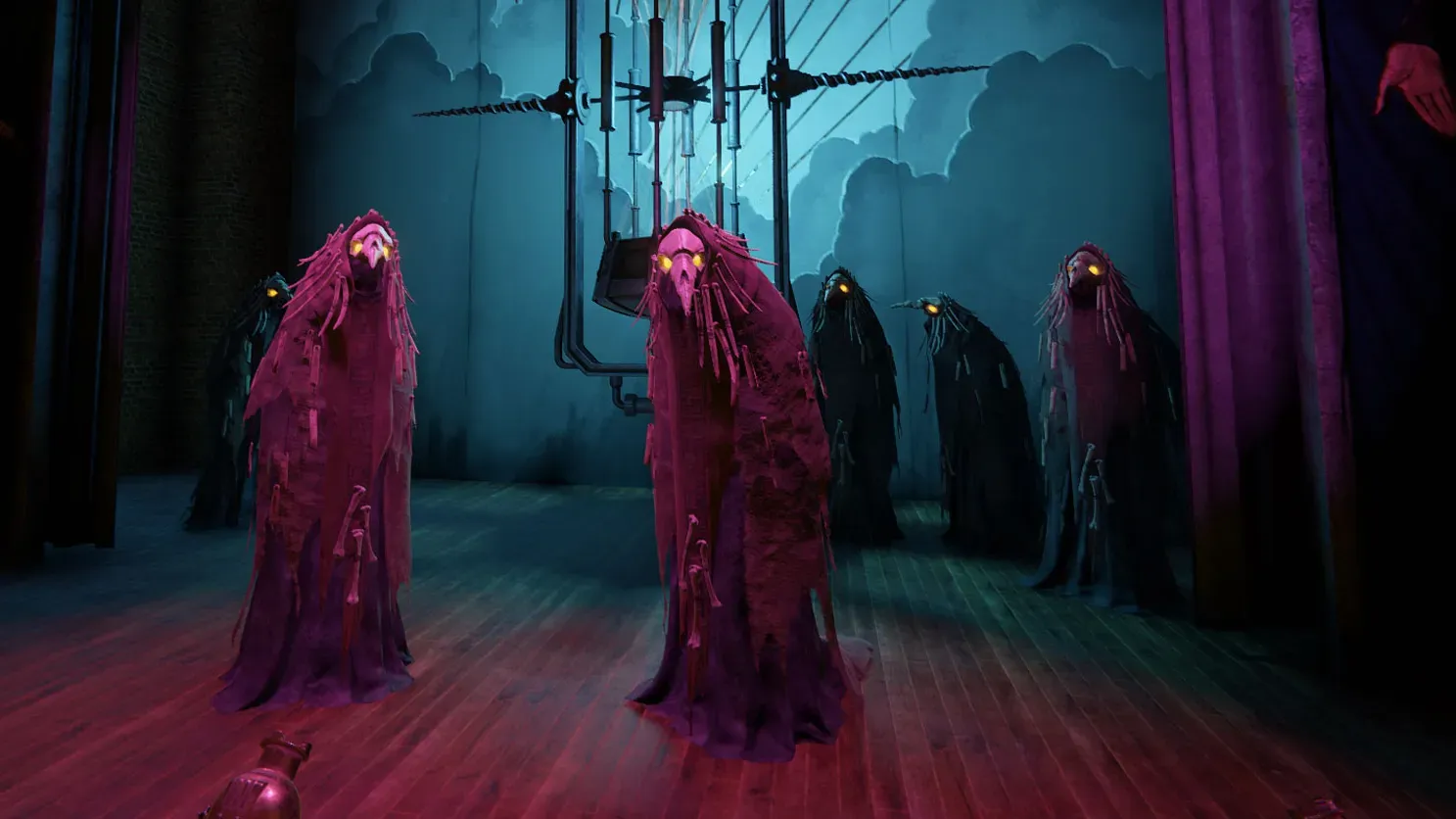
The Town as Theater
Meta-narrative elements suggest the town is staged — a performance of tragedy.
Your lack of control mirrors the script’s inevitability.
This framing attempts to recontextualize frustration as theme.
Suffering as Meaning
Developers have stated that discomfort is intentional.
The question becomes: does intention justify experience?
When Agency Becomes Illusion
The False Promise of Saving Everyone
Early dialogue encourages ambition.
Later systems punish it.
The game does not tell you explicitly that total success is nearly impossible — it lets you discover it through loss.
Choice Without Power
You choose constantly.
But outcomes are constrained by scarcity curves and time mathematics.
This creates a philosophical tension:
Is choosing between doomed options true agency?
Community Divisions
Praise for Integrity
Many players admire Pathologic 2 for refusing to compromise.
They argue that its cruelty is its artistic strength.
Criticism of Player Hostility
Others argue that mechanics cross from thematic to antagonistic.
When systems obscure clarity, frustration replaces immersion.
The Endgame: Acceptance or Exhaustion
The Final Days
By Day 10–12, exhaustion is constant. Districts are ruined. Supplies vanish instantly.
You are surviving, not solving.
Emotional Outcome
Players report one of two feelings:
- Profound narrative catharsis
- Emotional burnout
The design does not aim for comfort.
Design Lessons from Pathologic 2
Risk of Over-Constraint
Too much systemic pressure can narrow viable playstyles to near-zero.
The Balance Between Theme and Playability
Mechanics must reinforce theme — but they must also remain engaging.
Pathologic 2 walks that line dangerously close to collapse.
Conclusion
Pathologic 2 is one of the most uncompromising games ever made. Its time system is not merely a mechanic; it is a philosophical statement about inevitability, sacrifice, and failure. However, that same system steadily erodes player agency, transforming meaningful decision-making into constrained survival mathematics.
The brilliance of Pathologic 2 lies in its courage. The frustration lies in its rigidity. Whether the game succeeds depends entirely on whether you view diminished control as artistic expression or mechanical hostility.
In the end, Pathologic 2 forces a question few games dare to ask: if you are meant to fail, is your struggle still freedom?
160-character summary
Pathologic 2 uses relentless time pressure and scarcity to erode player agency, turning survival decisions into unavoidable sacrifice and thematic cruelty.