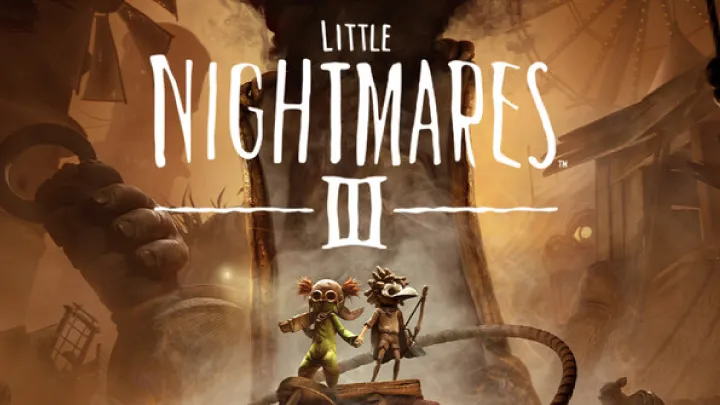







Little Nightmares III continues the series tradition of eerie tension, unsettling environments, and silent storytelling through atmosphere. As players journey through the Spiral alongside two protagonists, Low and Alone, the world becomes stranger, darker, and more dangerous with each step. Mastering the game requires understanding stealth, puzzle solving, cooperation, environmental cues, and how to navigate unpredictable threats.
This guide explains how to play Little Nightmares III with a focus on the theme how to. Whether you are new to the series or a returning fan, learning how to approach puzzles, escape monsters, explore carefully, and use teamwork properly will help you progress smoothly and minimize panic moments. With 10 well arranged sections, this guide highlights the essential mechanics and survival strategies needed to overcome the horrors waiting in the Spiral.
Understanding the Atmosphere and Core Gameplay

Little Nightmares III demands careful observation. Unlike action heavy games, your power comes from noticing details, reading environments, and recognizing danger signs before they strike. The world always communicates through visual storytelling, such as flickering lights, broken furniture, blood smears, or strange noises in the background. Understanding these environmental clues helps you predict threats and navigate safely.
The protagonists are not strong. You cannot fight monsters directly except in rare scripted interactions. Instead, success depends on stealth, hiding, timing, and problem solving. Knowing when to move slowly, when to hide under a table, and when to run at full speed becomes critical in surviving encounters. The game rewards patience and punishes reckless decisions.
How to Use Stealth Effectively
Stealth is the heart of survival in Little Nightmares III. To stay hidden, you must remain aware of shadows, objects that provide cover, and sound. Moving slowly creates less noise, while sprinting draws attention. Learning to control your movement rhythm helps you sneak past threats without alerting them.
Make use of environmental concealment. Hide behind boxes, crawl under beds, or slip into narrow spaces. Each monster reacts differently to sight and sound, so learning their behavior patterns helps you plan your stealth path. For example, some enemies rely more on sound tracking, meaning you must step lightly or pause completely when they listen for movement. Others use sweeping vision cones, requiring you to stay out of their line of sight.
How to Solve Puzzles with Logic and Patience
Puzzles in Little Nightmares III blend environmental mechanics, physics, and exploration. The difficulty often comes from subtle clues rather than traditional puzzle formats. When stuck, examine everything around you: objects that can be moved, platforms that shift, buttons hidden behind debris, or levers high above your reach. A key part of puzzle solving is understanding the logic of the world.
These puzzles typically involve pushing or pulling objects, climbing structures, or using items found in the environment. Some puzzles require cooperation between Low and Alone, such as holding switches simultaneously or boosting each other to higher ledges. If you become confused, try experimenting with different interactions. The game encourages curiosity and rewards persistence. Most solutions reveal themselves through trying small variations of movement or object placement.
How to Navigate Dangerous Enemies and Bosses
Monsters in Little Nightmares III are unpredictable and terrifying. Their designs emphasize exaggerated proportions, abnormal movements, and distorted human behavior. Although each enemy is unique, they share one theme: they represent emotional fears manifested in physical form. To overcome them, you must learn their patterns and weaknesses.
During encounters, watch how the enemy behaves. Do they pause to listen Do they scan the room visually Do they patrol a strict path Understanding their routine gives you a window for escape. Boss sequences often combine stealth, puzzle solving, and running. Timing becomes essential. If you hear a loud audio cue, it often signals the start of a chase. When this happens, do not hesitate. Run, jump, and slide through obstacles to survive.
How to Use Cooperative Mechanics in Solo or Co op Mode
Little Nightmares III introduces a unique feature for the series full coop. Playing with another person or controlling both characters in solo mode adds depth to puzzles and movement challenges. Cooperation is essential, but the mechanics remain intuitive and tightly designed.
When controlling both characters alone, switch between them strategically. Position one character to hold a lever, then move the other to access the newly opened path. When climbing harder terrain, one character can give the other a boost. In co op mode, communication becomes vital. Players must coordinate movements, synchronize running sequences, and time puzzles correctly. The cooperative design encourages teamwork without overwhelming players with complicated commands.
How to Explore Efficiently and Discover Secrets
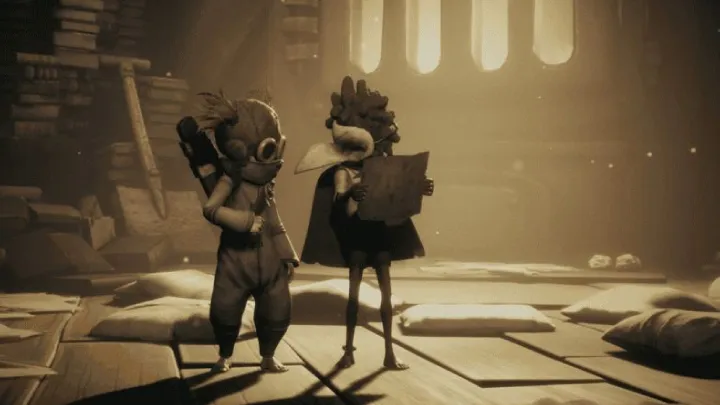
Exploration in Little Nightmares III rewards players with lore, collectibles, and hidden environmental storytelling. Since the Spiral is filled with multiple paths, small corridors, and climbable structures, thorough exploration uncovers deeper meaning behind characters and locations. Secrets often appear in areas off the main path, behind movable objects, or above ledges that require careful jumping.
To explore effectively, slow down and observe your surroundings. Look for visual inconsistencies such as slightly open vents, cracked boards, or door frames that appear climbable. Many secrets also involve solving small optional puzzles or using items creatively. The game encourages players to think differently, rewarding those who pay attention to small but meaningful details.
How to Manage Fear, Tension, and Player Emotions
Little Nightmares III excels at psychological tension. Its world feels oppressive, mysterious, and constantly threatening. Players often feel helpless, but this emotional intensity is intentional. Learning how to manage your sense of fear helps maintain confidence and allows smoother decision making.
When the tension rises, breathe and avoid panicked inputs. Rash movements often attract enemies or lead to falls. Instead, pause behind cover, listen to audio cues, and analyze your options. The designers use music and sound to guide your actions. Low rumbling suggests an enemy is near, while sudden silence can indicate a shift in danger. Understanding the emotional cues woven into the soundscape improves your decision making under stress.
How to Handle Platforming and Precision Movement
The platforming in Little Nightmares III remains simple but requires precision and awareness of depth. Because the game uses a 2.5D perspective, spatial judgment is important. Players must understand how far a jump reaches, when to grab a ledge, and how to time slides under obstacles. Knowing how to combine jumps, grabs, and dashes helps you overcome challenging sequences.
Movement becomes even more crucial during chase scenes. In these moments, the game tests your reflexes. To succeed, keep your camera aligned, anticipate upcoming obstacles, and practice safe timing rather than rushing recklessly. You can also use repeated attempts to memorize sequences. Each failed attempt offers clues about what to do differently next time.
How to Progress Smoothly Toward the Ending
To reach the ending of Little Nightmares III, you must balance careful play with steady progression. Rushing forward leads to mistakes, but moving too slowly disrupts the pacing the game intends. The best approach is deliberate movement: observe, decide, act, and reassess. This rhythm creates natural flow while maintaining safety.
Before entering new areas, pause and scan for threats. Determine whether the environment encourages stealth, puzzle solving, or platforming. As you progress deeper into the Spiral, puzzles become more complex and enemies more aggressive. Maintain your awareness and use everything you have learned about timing, hiding, and cooperating between the two protagonists. The final sequences test everything you have practiced, creating a satisfying yet emotional conclusion.
Conclusion
Little Nightmares III blends fear, creativity, and storytelling into a surreal adventure that challenges both your mind and your nerves. Mastering the game requires learning how to use stealth, solve puzzles, move with precision, cooperate between characters, and understand environmental cues. Each section of this guide has highlighted these skills, giving you a path toward smoother progression and fewer frustrating obstacles.
Approach each challenge with patience and observation. Look for clues in the environment, study enemy behavior, and communicate effectively in co op. With practice, you will become confident navigating the horrors of the Spiral. Little Nightmares III offers a haunting experience, but by understanding how to play strategically, you can transform fear into mastery and complete the journey successfully.
Summary
A full how to guide covering stealth, puzzles, exploration, teamwork, and survival to help players complete the eerie world of Little Nightmares III.